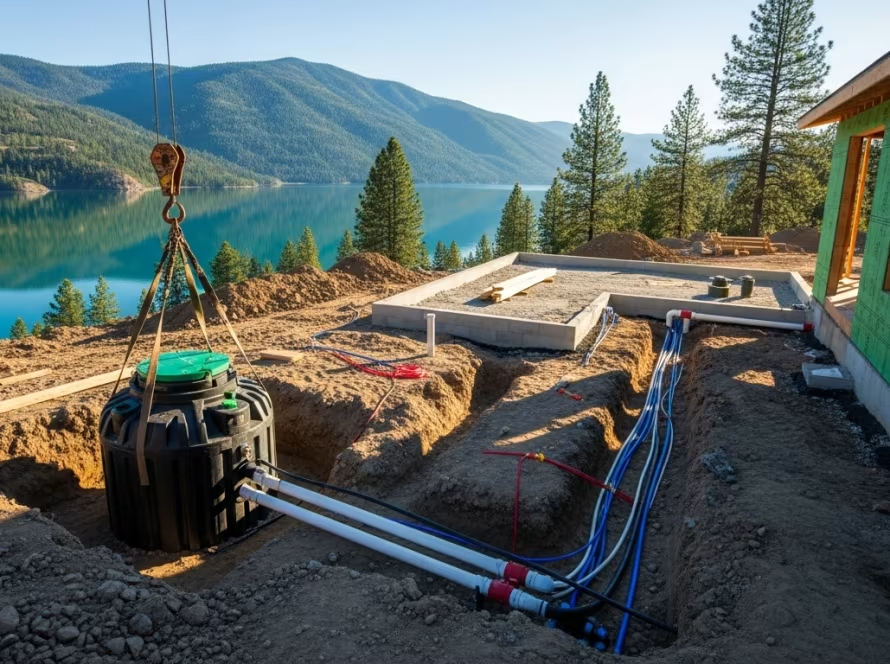

Embarking on a new construction project or a significant addition in the beautiful Bear Lake Valley is an exciting endeavor. Whether you’re planning a dream home in Garden City, a cozy cabin in Fish Haven, or expanding a property near St. Charles, understanding the local regulations and obtaining the necessary Bear Lake building permits is a crucial first step. Navigating the permitting process can seem daunting, but with the right information and a clear plan, it’s a manageable part of bringing your vision to life. This guide will walk you through the essential steps to ensure your project complies with local requirements and proceeds smoothly.
Understanding Bear Lake Building Permits: Why They Matter
Building permits are more than just bureaucratic hurdles; they are vital for ensuring the safety, structural integrity, and environmental compliance of your construction project. They ensure that your new home, addition, or remodel meets established building codes, protecting your investment and the well-being of future occupants. For the Bear Lake Valley, this means adhering to specific regulations that account for our unique climate, geology, and community standards.
Which Jurisdictions Govern Bear Lake Valley?
The Bear Lake Valley spans two states and multiple counties, meaning the specific permitting authority will depend on your property’s exact location. For example, properties in Garden City and Fish Haven typically fall under Rich County, Utah, while those in St. Charles or Montpelier are usually within Bear Lake County, Idaho. Each jurisdiction will have its own building department and specific requirements. It’s essential to identify your governing authority early in the process.
The Step-by-Step Process for Bear Lake Building Permits
While specific details may vary slightly between Rich County and Bear Lake County, the general process for obtaining Bear Lake building permits follows a similar pattern:
Step 1: Initial Research and Zoning Review
Before you even sketch a single line, understand the zoning regulations for your specific parcel. Zoning dictates what type of structures can be built, their size, setbacks from property lines, and sometimes even architectural styles. Visit your county’s planning and zoning department website or office to confirm your property’s zoning classification and any special overlay districts (e.g., shoreline protection zones).
Step 2: Design and Plan Development
Once you understand the zoning, you can begin designing your project. This typically involves engaging an architect or a professional home designer to create detailed blueprints. These plans must include:
- Site plan: Showing property lines, existing structures, proposed construction, setbacks, utilities, and access.
- Architectural plans: Floor plans, elevations, sections, and structural details.
- Mechanical, electrical, and plumbing (MEP) plans.
- Energy efficiency calculations.
Ensure your plans explicitly adhere to all local building codes and zoning ordinances.
Step 3: Application Submission
With your complete plans in hand, you’ll fill out the permit application provided by your local building department. This often requires submitting multiple sets of plans, a detailed project description, and paying an application fee. Be thorough; incomplete applications are the most common cause of delays.
Step 4: Plan Review and Revisions
After submission, the building department will review your plans for code compliance, structural integrity, and adherence to zoning regulations. This process can take several weeks. Be prepared for requests for revisions or additional information. Addressing these promptly and accurately will expedite the process.
Step 5: Permit Issuance
Once your plans are approved and all fees are paid, your building permit will be issued. This permit must be prominently displayed at your construction site. Do not begin construction before this permit is issued, as doing so can result in fines and significant delays.
Step 6: Inspections During Construction
Throughout the construction process, various inspections will be required at different stages (e.g., foundation, framing, plumbing, electrical, insulation, final). It is your builder’s responsibility to schedule these inspections. Each stage must pass inspection before work can proceed to the next. A final inspection will be conducted upon completion, leading to a Certificate of Occupancy, which officially allows the building to be used.
Common Challenges and How to Avoid Them
Navigating Bear Lake building permits can present a few common challenges:
- Incomplete Plans: Ensure all required details are present and accurate.
- Zoning Misunderstandings: Double-check setbacks, height limits, and permitted uses.
- Environmental Regulations: Be aware of any specific requirements for areas near the lake, such as septic system regulations or erosion control measures.
- Seasonal Delays: Building departments can experience higher volumes during peak construction seasons, so plan accordingly.
Proactive communication with your building department and a knowledgeable local builder can help mitigate these issues.
Partnering with a Local Bear Lake Builder
Working with an experienced local builder like BearLake.Build can significantly streamline the permitting process. We are intimately familiar with the specific requirements of both Rich County, Utah, and Bear Lake County, Idaho, and have established relationships with local officials. Our expertise ensures your plans are compliant from the outset, minimizing delays and unexpected costs. If you’re dreaming of a custom home in the Bear Lake Valley, we can help you navigate every step, from initial design to final inspection. Learn more about our commitment to quality and our services on our homepage, and see how we bring dreams to life with our custom home building expertise.
Ready to Build Your Bear Lake Dream?
Don’t let the permitting process deter you from building your ideal home or addition in the Bear Lake Valley. With careful planning and the right partner, you can navigate the requirements with confidence. BearLake.Build is here to guide you through every stage, ensuring your project is compliant, efficient, and built to the highest standards. Contact us today to discuss your vision and take the first step toward your Bear Lake property. Visit our contact page or call us directly at (208) 231-1102.