
Mastering Bear Lake’s Terrain: Expert Drainage and Erosion Control for Your Excavation Project
The stunning beauty of the Bear Lake Valley, with its rolling hills, pristine waters, and picturesque slopes, is undeniably a draw for those looking to build their dream home or develop a property. However, this same breathtaking landscape presents unique challenges when it comes to excavation. Successfully navigating these challenges requires a deep understanding of local topography, soil conditions, and weather patterns. Specifically, effective drainage and erosion control for Bear Lake excavation projects isn’t just a best practice; it’s an absolute necessity for the longevity, safety, and environmental stewardship of your investment.
Here in communities like Garden City, Fish Haven, St. Charles, and Laketown, we experience significant snowfall and spring runoff, coupled with diverse soil compositions that can range from sandy loam to heavier clays. Without proper planning and execution, water can quickly become an adversary, leading to significant erosion, structural damage, and costly delays. This comprehensive guide will delve into the critical aspects of drainage and erosion control, offering insights tailored to the specific needs of our beloved Bear Lake region.
Understanding Bear Lake’s Unique Environmental Challenges
Before any shovel hits the dirt, it’s crucial to appreciate the natural forces at play in our valley. The Bear Lake watershed is a delicate ecosystem, and every construction project has the potential to impact it. Here are some key considerations:
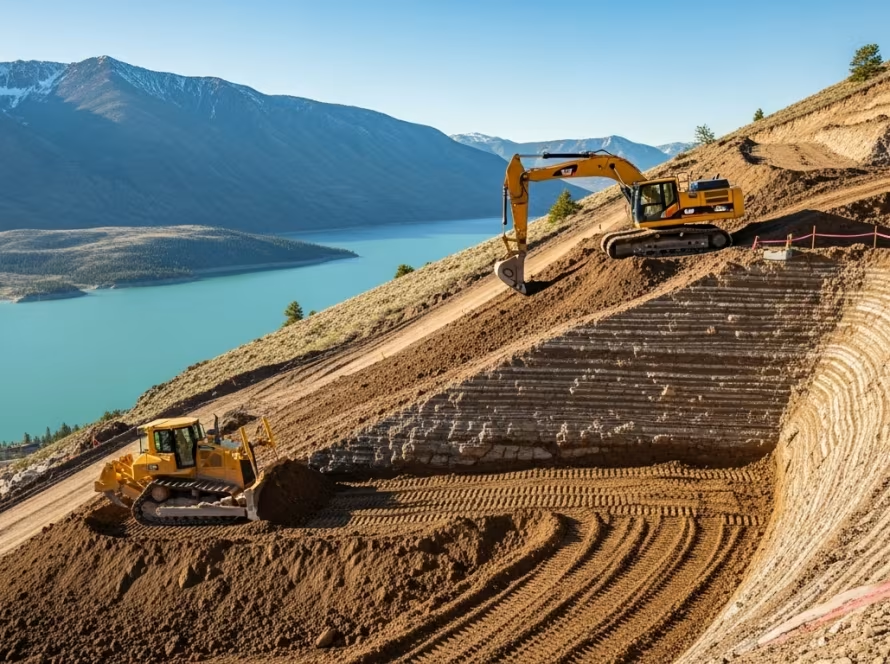
- Steep Slopes: Many desirable building sites boast incredible lake views, but often come with significant grades. These slopes are highly susceptible to water runoff and soil erosion if not managed correctly.
- Seasonal Precipitation: Our winters bring substantial snow, which, upon melting in the spring, can generate massive amounts of surface water. Summer thunderstorms, though less frequent, can also deliver intense, localized downpours.
- Soil Variability: The soil profiles around Bear Lake can vary dramatically, even within a single property. Some areas may have highly permeable soils, while others might be dense and prone to waterlogging. Understanding your specific soil type through geotechnical reports is paramount.
- Proximity to Water Bodies: Many projects are near the lake or its tributaries, making erosion control even more critical to prevent sediment runoff into these sensitive aquatic environments.
Ignoring these factors can lead to devastating consequences, from compromised foundations and unstable retaining walls to polluted waterways and diminished property value. That’s why a proactive, expert approach to excavation services that prioritizes drainage and erosion control is non-negotiable.
The Pillars of Effective Drainage Control
Proper drainage aims to manage water flow away from your structures and property, preventing saturation and hydrostatic pressure. Here’s how we approach it:
1. Site Grading and Contouring
The most fundamental aspect of drainage is intelligent site grading. This involves shaping the land to direct water away from buildings, driveways, and other critical areas. A slight slope of 1-2% away from structures is often sufficient. For larger areas or steeper terrains, more complex contouring, such as swales or berms, may be necessary to channel water safely.
2. Subsurface Drainage Systems
Sometimes, surface grading isn’t enough, especially with groundwater or persistent saturation. Subsurface systems come into play:
- French Drains: These trenches filled with gravel and a perforated pipe collect subsurface water and divert it to a suitable discharge point. They are incredibly effective for mitigating saturated soils and protecting foundations.
- Catch Basins and Grates: Strategically placed, these collect surface water in low spots and channel it into a piped drainage system.
- Underdrain Systems: For retaining walls or large cut-and-fill areas, a network of pipes behind the structure can relieve hydrostatic pressure and prevent wall failure.
3. Permeable Surfaces
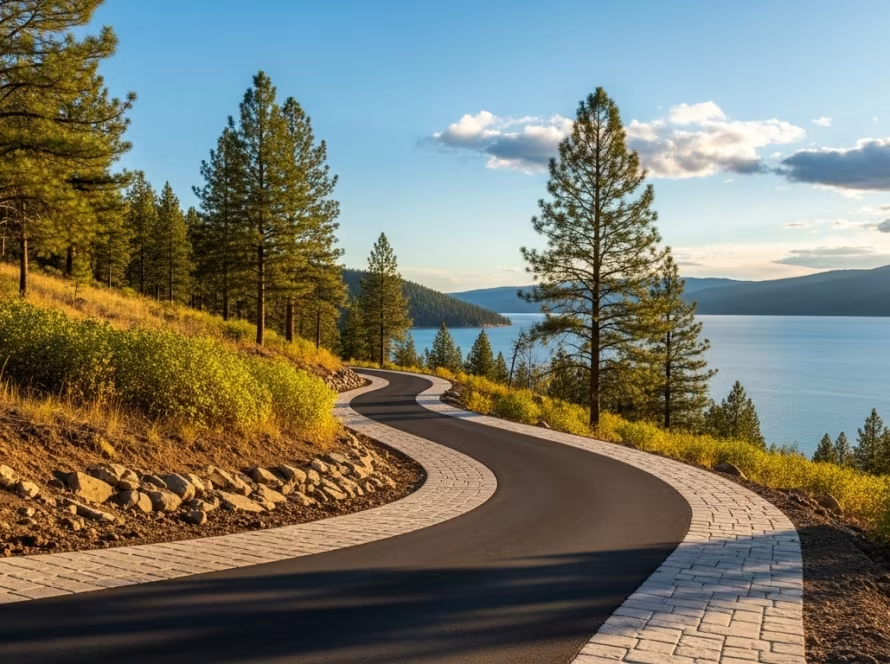
Where appropriate, incorporating permeable pavers or gravel driveways can reduce runoff by allowing water to infiltrate the ground naturally, lessening the burden on engineered drainage systems.
Essential Erosion Control Techniques for Bear Lake Projects
Erosion control focuses on preventing soil movement caused by wind or water, especially during and immediately after excavation. Protecting the topsoil and preventing sediment runoff is vital for environmental health and project success.
1. Sediment Barriers
These are temporary measures implemented during construction to filter runoff and trap sediment before it leaves the site:
- Silt Fences: Commonly used along the downhill perimeter of construction sites, these fabric barriers slow down runoff, allowing sediment to settle.
- Straw Wattles/Logs: Bales of straw or coconut fiber logs placed along contours or at the base of slopes can effectively slow water flow and trap sediment.
- Sediment Ponds: For larger sites, temporary ponds can be constructed to collect and settle out sediment from storm runoff before releasing cleaner water.
2. Surface Stabilization
Protecting exposed soil is crucial to prevent erosion from wind and rain:
- Temporary Seeding/Hydroseeding: Applying a fast-growing grass mix can quickly establish a vegetative cover, especially on disturbed areas that will remain exposed for some time. Hydroseeding uses a slurry of seed, mulch, fertilizer, and water for efficient application on slopes.
- Erosion Control Blankets/Mats: These biodegradable blankets, often made of straw or coir, are rolled out over newly seeded areas or bare slopes to protect the soil and aid in vegetation establishment.
- Riprap: For areas with concentrated water flow, like around culvert outlets or along stream banks, a layer of large, angular rocks (riprap) can provide significant erosion protection.
3. Retaining Walls and Terracing
For steep slopes, structural solutions are often necessary. Retaining walls can create level terraces, reducing the overall grade and minimizing erosion. Proper design and construction of these walls are paramount, considering the soil pressures and drainage requirements.
Implementing Effective Drainage and Erosion Control for Bear Lake Excavation
The success of any project in the Bear Lake Valley hinges on a well-thought-out plan that integrates drainage and erosion control from the very beginning. Here’s a typical approach:
- Detailed Site Assessment: Before any work commences, a thorough assessment of your property is crucial. This includes understanding the topography, identifying existing drainage patterns, assessing soil conditions (often through a geotechnical report), and noting any sensitive environmental features.
- Customized Design: Based on the assessment, a tailored drainage and erosion control plan is developed. This isn’t a one-size-fits-all solution; what works in Garden City might differ slightly from a site in Fish Haven due to varying elevations and soil types. The plan will detail grading requirements, placement of drainage structures, and erosion prevention measures.
- Phased Implementation: Erosion control measures are typically installed before major earthwork begins. As the project progresses, these measures are maintained, adjusted, and eventually removed as permanent landscaping and stabilization efforts take over.
- Regulatory Compliance: Our team understands the local regulations and permitting requirements in Bear Lake Valley. We ensure all work adheres to environmental protection standards set by local municipalities and state agencies, protecting you from potential fines and project delays.
- Ongoing Monitoring and Maintenance: During construction, regular monitoring of drainage and erosion control measures is essential, especially after significant rain or snowmelt. Any damaged silt fences, clogged drains, or eroded areas need immediate attention to prevent larger problems.
At BearLake.Build, we pride ourselves on our deep local knowledge and expertise. We understand the nuances of building in our beautiful valley and are committed to implementing solutions that are both effective and environmentally responsible. Our team works diligently to ensure that your excavation project not only meets your vision but also respects the natural integrity of the Bear Lake ecosystem.
The BearLake.Build Advantage: Local Expertise You Can Trust
Choosing the right partner for your excavation project in the Bear Lake Valley is crucial. Our team brings years of experience specifically in this region, giving us an unparalleled understanding of the local terrain, weather patterns, and regulatory landscape. We don’t just move dirt; we engineer solutions that protect your investment and the environment for generations to come.
From initial site prep and foundation excavation to complex drainage system installations and comprehensive erosion control strategies, we handle every aspect with precision and care. Whether you’re building a new home, expanding an existing structure, or undertaking a commercial development, our commitment to quality, safety, and sustainability is unwavering.
Don’t let the challenges of our beautiful landscape deter your dreams. With expert planning and execution, your Bear Lake excavation project can be a resounding success, built to withstand the elements and stand the test of time. Let us help you navigate these terrain complexities with confidence.
Ready to ensure your next project is built on a solid, well-drained foundation? Contact BearLake.Build today to discuss your excavation and site preparation needs. Our team is here to provide the local expertise and reliable service you deserve. Call us at (208) 231-1102 or visit our contact page to get started!