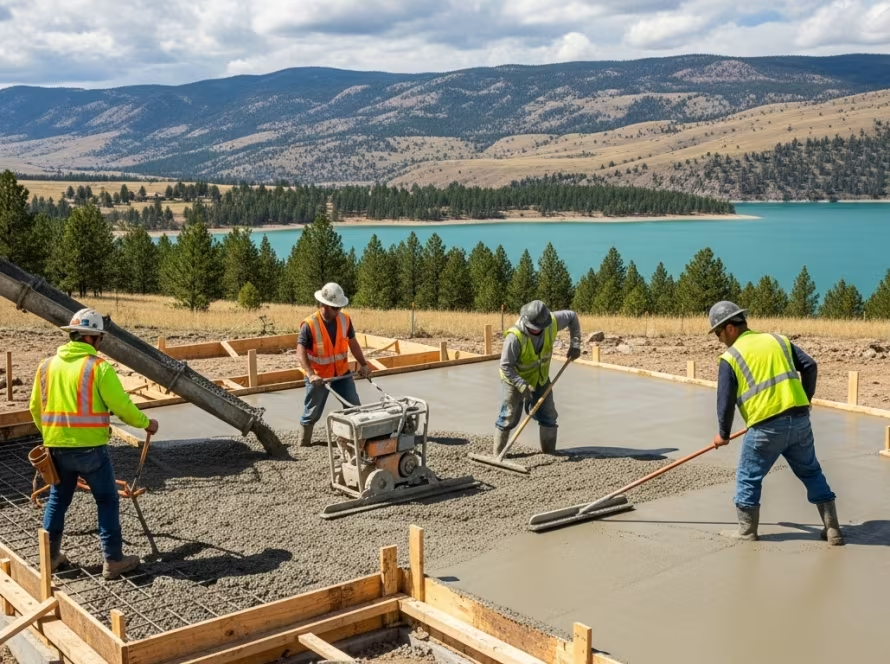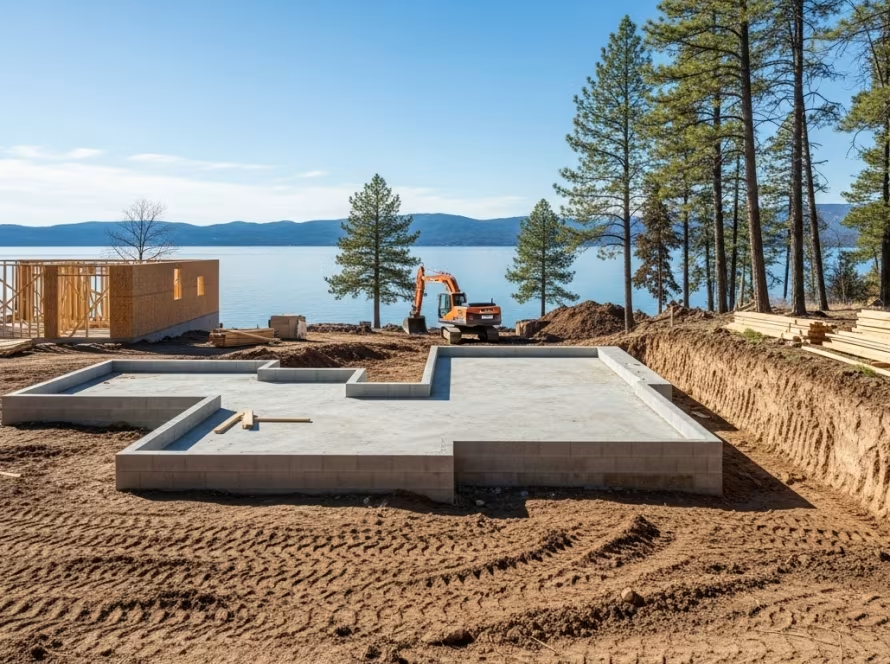

The Essential Guide to Concrete Curing and Protection for Foundations in Bear Lake’s Climate
Building a strong, lasting foundation in the Bear Lake Valley isn’t just about pouring concrete; it’s about understanding and respecting our unique climate. From the chilly winters in Garden City to the warm summer days in Fish Haven, the conditions here demand a specialized approach. That’s why mastering concrete curing Bear Lake foundations is absolutely critical for the longevity and integrity of any structure. Without proper curing and protection, even the best concrete mix can fall short, leading to cracks, reduced strength, and costly future repairs. At BearLake.Build, we understand these challenges firsthand, and we’re here to guide our neighbors through the essential steps.
Why Proper Concrete Curing is Non-Negotiable in Bear Lake
Concrete doesn’t just dry; it cures. This chemical process, called hydration, requires adequate moisture and a stable temperature to achieve its maximum strength and durability. In the Bear Lake area, we face a challenging environment that includes:
- Extreme Temperature Swings: Rapid changes from day to night, especially in spring and fall, can stress newly placed concrete.
- Freeze-Thaw Cycles: Water freezing within inadequately cured concrete can cause significant damage and spalling.
- High Altitude: Our elevation can affect drying times and moisture evaporation rates.
- Wind Exposure: Constant winds can accelerate surface drying, leading to plastic shrinkage cracks.
Ignoring these factors can result in a foundation that is weaker, less resistant to abrasion, and more susceptible to water penetration and damage over time. For any home or commercial building in St. Charles or Laketown, investing in proper curing is an investment in its future.
Essential Methods for Concrete Curing Bear Lake Foundations
To ensure your foundation reaches its full potential, several effective curing methods can be employed. The best choice often depends on the specific conditions, time of year, and type of concrete mix used.
Wet Curing Techniques
Keeping the concrete surface continuously moist is one of the most effective ways to cure. This can be achieved by:
- Sprinkling or Ponding: Regularly misting the concrete surface or creating a shallow pond of water on top for flat slabs. This is excellent for maintaining high moisture content.
- Wet Coverings: Using wet burlap, cotton mats, or other absorbent fabrics that are kept continuously saturated. These coverings protect the concrete from drying out too quickly and offer some insulation.
The key here is consistency. Allowing the concrete to dry out and then re-wetting it can be detrimental to the curing process.
Membrane Curing Compounds
These are liquid-applied compounds that form a water-impermeable membrane over the concrete surface. They are sprayed on after the concrete has been finished and prevent moisture from escaping. They are convenient and effective for large areas, but it’s crucial to apply them evenly and at the correct coverage rate. They are particularly useful when continuous wet curing isn’t practical or economical.
Internal Curing with Lightweight Aggregates
While less common for standard residential foundations, internal curing involves using pre-wetted lightweight aggregates in the concrete mix. These aggregates slowly release moisture into the concrete from within, aiding in more uniform curing, especially in thicker sections. This can be a beneficial technique for specialized projects aiming for maximum durability in challenging environments.
Protecting Your Foundation Beyond Curing
Curing is just the beginning. Protecting your foundation from the elements and ensuring its long-term stability requires additional steps, especially in our region. When it comes to foundations and concrete work, we ensure these protective measures are always in place:
- Insulation Blankets and Tarps: During colder months, insulating blankets are critical to protect newly poured concrete from freezing temperatures. They help maintain a consistent temperature, allowing the hydration process to continue unimpeded.
- Heated Enclosures: For very cold weather pours, temporary heated enclosures can be erected around the foundation to create a controlled environment. This allows for optimal curing conditions regardless of the outside temperature.
- Proper Drainage: Ensuring excellent drainage around your foundation is paramount. Sloping the ground away from the structure, installing perimeter drains, and managing downspouts will prevent water from pooling and potentially seeping into or undermining the foundation.
- Sealants and Coatings: Once fully cured, applying a high-quality concrete sealer can add an extra layer of protection against moisture, chemicals, and abrasion. These can be particularly beneficial for exposed foundation walls or basement slabs.
The BearLake.Build Advantage: Local Expertise You Can Trust
Navigating the complexities of concrete construction in the Bear Lake Valley requires more than just general knowledge; it demands local expertise. Our team at BearLake.Build understands the nuances of our specific climate, soil conditions, and building codes. We pride ourselves on using the right materials and techniques to ensure your foundation is not only strong but built to withstand the unique challenges of our beautiful region for decades to come.
Whether you’re planning a new home in Garden City, a commercial building in Fish Haven, or an addition in St. Charles, don’t leave your foundation’s integrity to chance. Proper concrete curing and protection are fundamental to the success of your project.
Ready to Build a Foundation That Lasts?
Don’t compromise on the most critical part of your construction project. Trust the local experts who understand the Bear Lake Valley. Contact BearLake.Build today to discuss your foundation and concrete needs. Call us at (208) 231-1102 or visit our contact page to schedule a consultation. Let’s build something solid together!