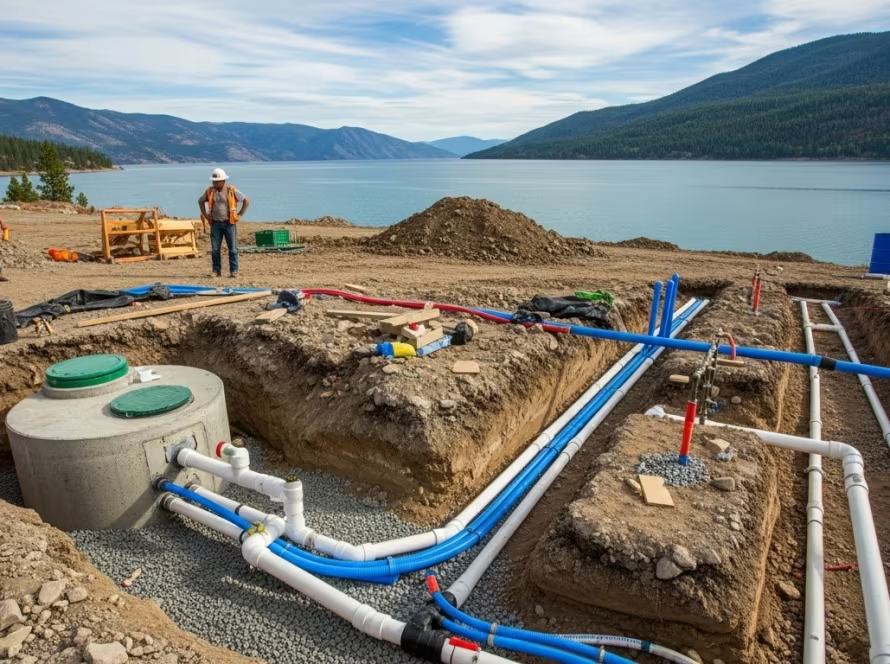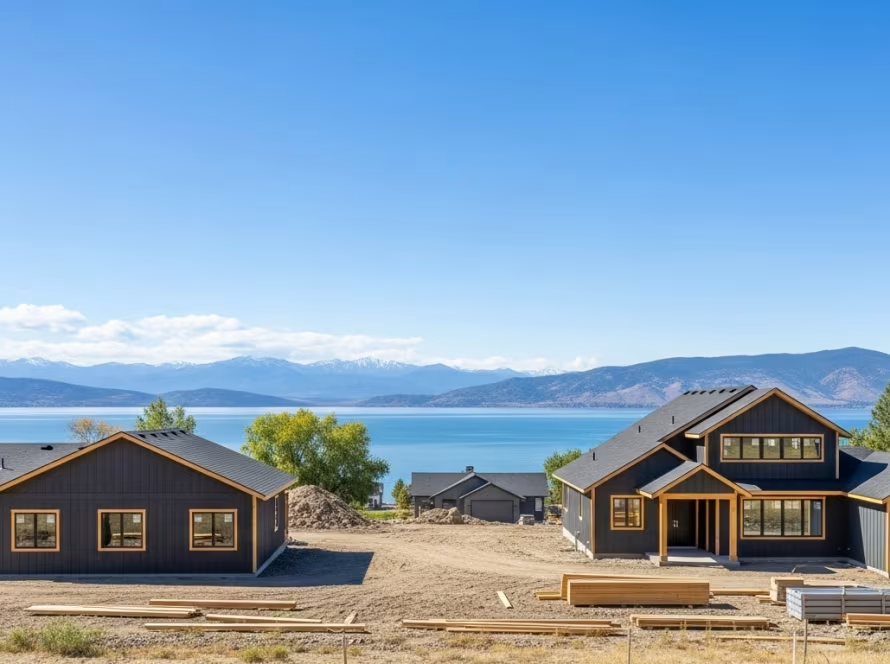

Developing a property in the picturesque Bear Lake Valley offers unparalleled opportunities for custom home building and recreational retreats. However, a critical consideration for any new construction or significant renovation, particularly in areas not served by municipal sewer systems, is the installation of an appropriate wastewater treatment solution. Choosing the right Bear Lake septic system is not merely a regulatory requirement; it’s an investment in your property’s long-term functionality, environmental stewardship, and overall value. This comprehensive guide will delve into the distinctions between conventional and advanced septic systems, helping you make an informed decision for your unique Bear Lake property.
Understanding the Fundamentals of Septic Systems
Before exploring specific types, it’s essential to grasp the basic function of any septic system. A septic system is an underground wastewater treatment structure, commonly used in rural areas. It treats wastewater generated from bathrooms, kitchens, and laundry by separating solids from liquids and then discharging the treated effluent into the soil. The primary components typically include a septic tank and a drainfield (also known as a leach field or absorption field).
- Septic Tank: A watertight container, usually made of concrete, fiberglass, or plastic, that holds wastewater long enough for solids to settle to the bottom (forming sludge) and lighter materials (like grease and oil) to float to the top (forming scum). Anaerobic bacteria in the tank begin to break down organic matter.
- Drainfield: A series of trenches or a bed containing perforated pipes buried in gravel or stone, covered with soil. The partially treated liquid wastewater (effluent) flows from the septic tank into the drainfield, where it slowly seeps into the soil. The soil acts as a natural filter, further treating the wastewater as it percolates through the ground before eventually reaching groundwater.
The effectiveness and longevity of a septic system depend heavily on proper design, installation, and maintenance, all of which are paramount in the unique geological and environmental conditions of the Bear Lake region.
Conventional Septic Systems: The Tried and True Approach
Conventional septic systems represent the most common and often the most cost-effective solution when site conditions permit. They rely on gravity to move wastewater through the system and the natural filtration capacity of the soil.
Components and Operation:
A conventional system typically consists of a septic tank followed by a network of perforated pipes laid in gravel-filled trenches. The effluent from the septic tank flows by gravity into these pipes, which then distribute it across the drainfield. The soil beneath and around the trenches absorbs and treats the effluent.
Advantages:
- Cost-Effective: Generally, conventional systems have lower upfront installation costs compared to advanced systems.
- Simplicity: Fewer mechanical components mean less to break down and potentially lower maintenance requirements.
- Reliability: When installed in suitable conditions, conventional systems are highly reliable and have a long lifespan.
Disadvantages:
- Site-Specific Requirements: They demand specific soil types (sufficiently permeable but not too permeable), adequate land area for the drainfield, and a suitable separation distance from groundwater and wells.
- Limited Application: Not suitable for properties with high water tables, shallow bedrock, small lot sizes, or soils with poor percolation rates.
- Environmental Impact: Less effective at removing certain pollutants, such as nitrogen, compared to some advanced systems.
For properties in areas like Garden City or Fish Haven with ample space and favorable soil conditions, a conventional system can be an excellent choice. Our team at BearLake.Build has extensive experience with utility and septic system installations, ensuring your conventional system is designed and installed to meet all local regulations and perform optimally.
Advanced Septic Systems: Innovative Solutions for Challenging Sites
When a conventional system isn’t feasible due to site constraints or stricter environmental regulations, advanced septic systems offer sophisticated alternatives. These systems employ various technologies to achieve a higher level of wastewater treatment before discharge.
Types of Advanced Systems:
- Aerobic Treatment Units (ATUs): These systems introduce oxygen into the septic tank, fostering the growth of aerobic bacteria that break down waste more efficiently than anaerobic bacteria. ATUs produce a much cleaner effluent, often suitable for discharge to smaller drainfields or even surface irrigation in some cases. They typically require electricity to power an aerator.
- Mound Systems: Used in areas with shallow bedrock, high water tables, or unsuitable soil, mound systems elevate the drainfield above the natural soil surface using a specially designed sand fill. The effluent is pumped to the mound, where it is treated as it filters through the sand and then the natural soil.
- Drip Distribution Systems: These systems use a network of small-diameter pipes laid just below the ground surface, distributing effluent in small, frequent doses over a large area. They are ideal for sites with shallow soils, sloping terrain, or where a conventional drainfield would be too large.
- Recirculating Sand Filters: Effluent is pumped through a bed of sand or gravel, which provides a high degree of treatment. The treated water is often recirculated for further purification before discharge.
- Constructed Wetlands: While less common for single-family homes, these systems use natural processes involving plants, soil, and microorganisms to treat wastewater. They are more often seen in larger community systems.
Advantages of Advanced Systems:
- Versatility: Can be installed on challenging sites where conventional systems are not viable (e.g., small lots, poor soils, high water tables).
- Higher Treatment Quality: Produce a cleaner effluent, reducing potential environmental impact, especially concerning nutrient removal.
- Environmental Compliance: Often meet stricter regulatory standards for wastewater discharge.
Disadvantages:
- Higher Cost: Generally more expensive to install due to complex components, specialized materials, and engineering.
- Increased Maintenance: Often require more frequent inspections, electrical power, and mechanical component servicing.
- Energy Consumption: Many advanced systems, particularly ATUs, require electricity to operate pumps and aerators.
For properties with specific challenges, such as those with limited space or unique soil compositions often found around the Bear Lake shoreline, an advanced septic system can be the optimal, and sometimes only, solution.
Key Factors When Choosing Your Bear Lake Septic System
Selecting the ideal septic system for your property in the Bear Lake Valley requires careful consideration of several critical factors. Each site is unique, and a thorough assessment is paramount.
1. Soil Type and Percolation Rate:
This is perhaps the most crucial factor. A percolation test (perc test) measures how quickly water drains into the soil. Different septic systems require specific percolation rates. Sandy soils drain quickly, while clay soils drain slowly. The soil’s ability to absorb and treat effluent directly impacts the size and type of drainfield needed.
2. Lot Size and Layout:
The available land area dictates the size of the drainfield. Conventional systems typically require more space. Smaller lots or properties with significant slopes, rock outcrops, or other obstructions may necessitate advanced systems like drip irrigation or mound systems.
3. Water Table Depth:
A high water table can interfere with the proper functioning of a drainfield, leading to contamination. Regulations often require a minimum separation distance between the bottom of the drainfield and the highest seasonal groundwater level. If the water table is shallow, an elevated system (like a mound) or an advanced treatment unit may be necessary.
4. Local Regulations and Permitting:
The Bear Lake Valley spans across state lines and multiple counties, each with its own health department regulations (e.g., Bear Lake County, ID; Rich County, UT). These regulations govern everything from system design and setbacks to installation and inspection requirements. Understanding these codes is essential for obtaining the necessary permits. Our team is well-versed in the specific requirements for both Idaho and Utah sides of Bear Lake, ensuring full compliance for your project, whether it’s in Garden City, Fish Haven, or surrounding communities.
5. Property Usage and Wastewater Volume:
Consider the anticipated water usage. A large family home will generate more wastewater than a small cabin. Commercial properties or multi-unit developments will have even higher demands. The system must be sized appropriately to handle peak flows without overloading.
6. Maintenance Commitment:
While all septic systems require regular pumping and inspection, advanced systems often demand more frequent maintenance and may have mechanical components that need periodic servicing. Factor in the long-term maintenance costs and your willingness to commit to them.
The BearLake.Build Advantage: Expertise in Bear Lake Septic System Solutions
Navigating the complexities of septic system design and installation requires specialized knowledge and local expertise. At BearLake.Build, we understand the unique geological, environmental, and regulatory landscape of the Bear Lake Valley. From the initial site assessment and percolation testing to system design, permitting, and meticulous installation, our team provides comprehensive solutions tailored to your property’s specific needs.
Whether you’re building a custom home in Garden City, developing a recreational property in Fish Haven, or undertaking a significant renovation, we are equipped to recommend and install the most appropriate and efficient septic system. Our commitment to quality craftsmanship and sustainable practices ensures that your wastewater treatment solution is not only compliant but also durable and environmentally responsible.
Conclusion
Choosing between a conventional and an advanced Bear Lake septic system is a critical decision that impacts your property’s functionality, cost, and environmental footprint. By understanding the differences, considering your site’s unique characteristics, and adhering to local regulations, you can select a system that provides reliable wastewater treatment for years to come. Don’t leave this vital aspect of your property development to chance. Partner with experienced professionals who understand the nuances of the Bear Lake region.
Ready to discuss your septic system needs or other construction projects in the Bear Lake Valley? Contact BearLake.Build today for a consultation. Call us at (208) 231-1102 to ensure your project starts on a solid foundation.